

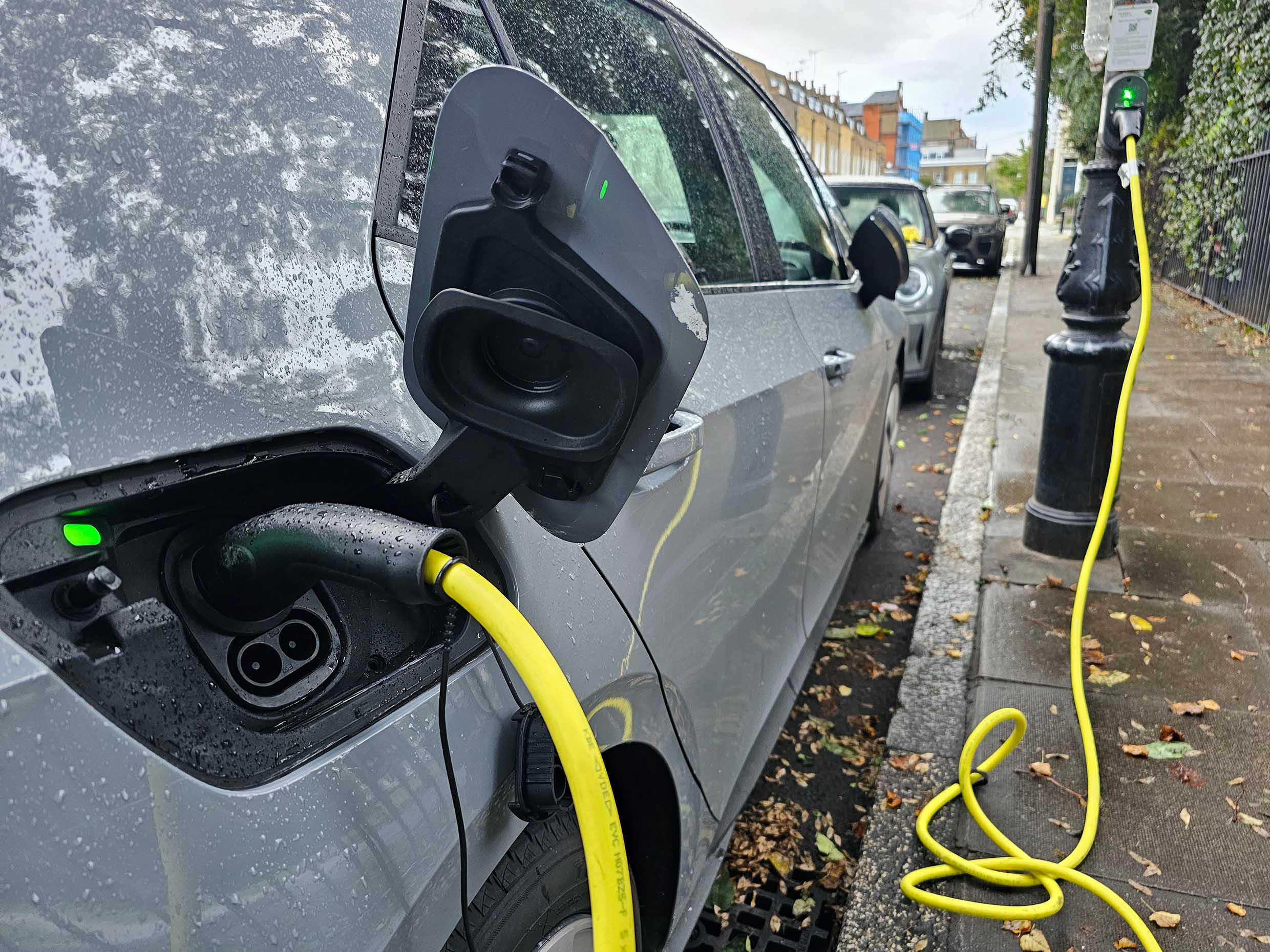
With kerbside EV charging gathering momentum across the UK, many local authorities are turning to lamp post chargers as a cost-effective, space-saving way to support the transition to electric vehicles. And it’s easy to see the appeal:
✅ Installation times can take as little as an hour
✅ There’s no need to dig up streets
✅ Councils can repurpose existing infrastructure to create EV-friendly cities
But when it comes to heritage lamp posts – those ornate, often historic columns that help preserve the character of our streets – the rollout becomes more complex.
So, how do you combine cutting-edge EV infrastructure with lighting columns designed to look old, or that are historic structures in their own right?
We asked Neil Purdue, Technical Director at evpzee, to share his top do’s and don’ts for installing EV chargers on heritage lamp posts.
Why Heritage lampposts matter
Take a walk through any UK town or city and you’ll spot them: classic columns, often painted black with decorative embellishments – sometimes even gold – and the surviving gas lamps, some dating back more than a century.
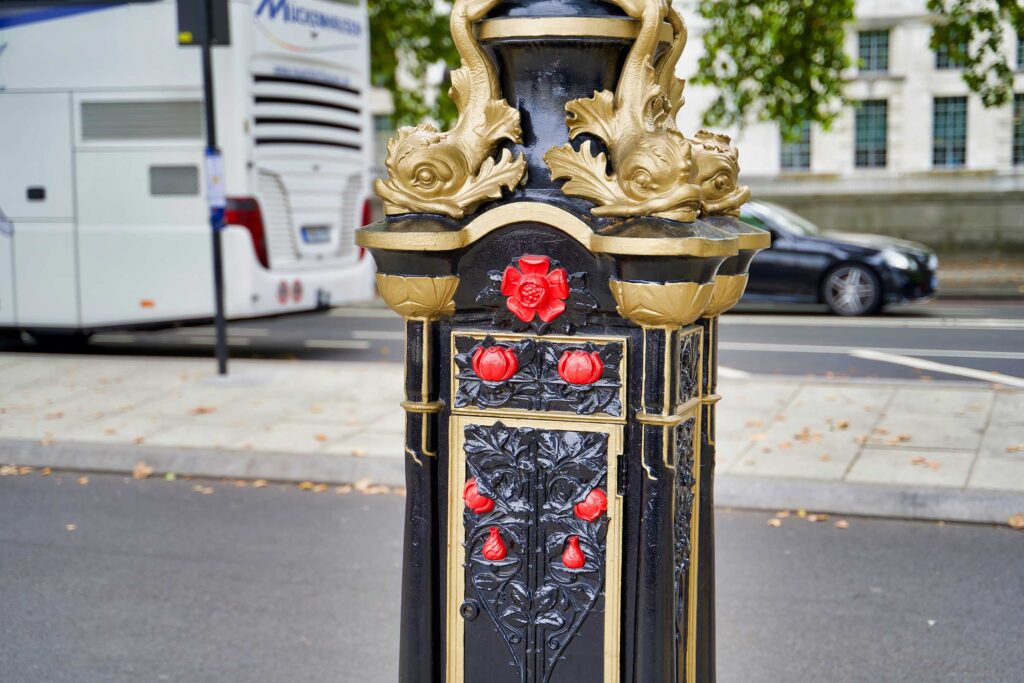
While it’s tricky to pinpoint exactly what percentage of the UK’s lighting stock is heritage in style or historic, we know it’s a meaningful portion, and if lamppost EV charging is to be a fair and inclusive solution, it needs to work on all types of lighting columns.
In 2022, Westminster City Council reported that around 300 of its 14,000 streetlights were still gas-powered – many of them listed for their historical significance.
These aren’t just old lamps. They’re part of our urban heritage, protected for their cultural and architectural value.
That’s why any EV charging solution in heritage areas must be discreet (but not too discreet – more on this later), non-invasive, and technically compatible, adding modern functionality without compromising historical charm.
The don’ts: What to avoid
Neil highlights a few common mistakes to steer clear of when planning EV installations on heritage columns:
Don’t drill into the column
- It may seem obvious, but drilling can damage the structure and invalidate preservation requirements. All lighting columns are designed to harmonised standards and individually structurally designed. Any modifications to structure must be validated by a structural engineer which can be costly
- Don’t assume there’s room for a charger behind the column door
Many heritage posts are already packed inside, with existing electrical components like isolators or cutouts. Re-work may be significant and add unforeseen cost
- Don’t install chargers at the back of the footpath
This creates unnecessary cable trip hazards for pedestrians
- Don’t choose ‘closed’ or non-compliant hardware
Opt for open, OCPP-compliant chargers to ensure future-proof integration with your back-office system.
The do’s: Best practices for success
To ensure a compliant and sensitive installation, Neil recommends:
- Use an on-column charger designed for heritage applications
evpzee solutions avoid invasive modifications and are built to preserve both the aesthetic and structural integrity of heritage lamp posts. They’re designed to be discreet – but not too discreet – blending into their surroundings while still clearly identifying as chargers. (On-column chargers have been shown to significantly increase visibility and boost utilisation rates.)
- Check the columns diameter
Not all columns are the same – accurate measurements and surveying in advance are key for a good fit. evpzee has different mounting plates to suit different column diameters
- Assess the electrical network
Heritage areas often rely on older infrastructure. A pre-installation survey can confirm the wiring, earthing and compliance with current regulations
- Ensure a double-pole isolator can be installed
This is essential for safe and legally compliant connections
- Make sure the charger is compatible with the installed isolator
Even the best hardware won’t work if it’s incompatible with the existing setup. And, if the column is not suitable, a bollard EV solution should be considered, as a secondary feed.
Why it matters
Heritage streets present a unique challenge: delivering on sustainability goals without compromising the historic and visual character of our towns and cities.
With the right planning, the right hardware, and the right expertise, it’s entirely possible to bring EV charging to protected streetscapes.
Ready to find out if your Heritage lampposts are EV-ready?
We offer a free consultation to discuss your existing infrastructure and recommend the best solution for your area.
Start your journey to zero-emission vehicles – without losing the charm of your streets.